Advance Directive in a Facility? What NC Requires
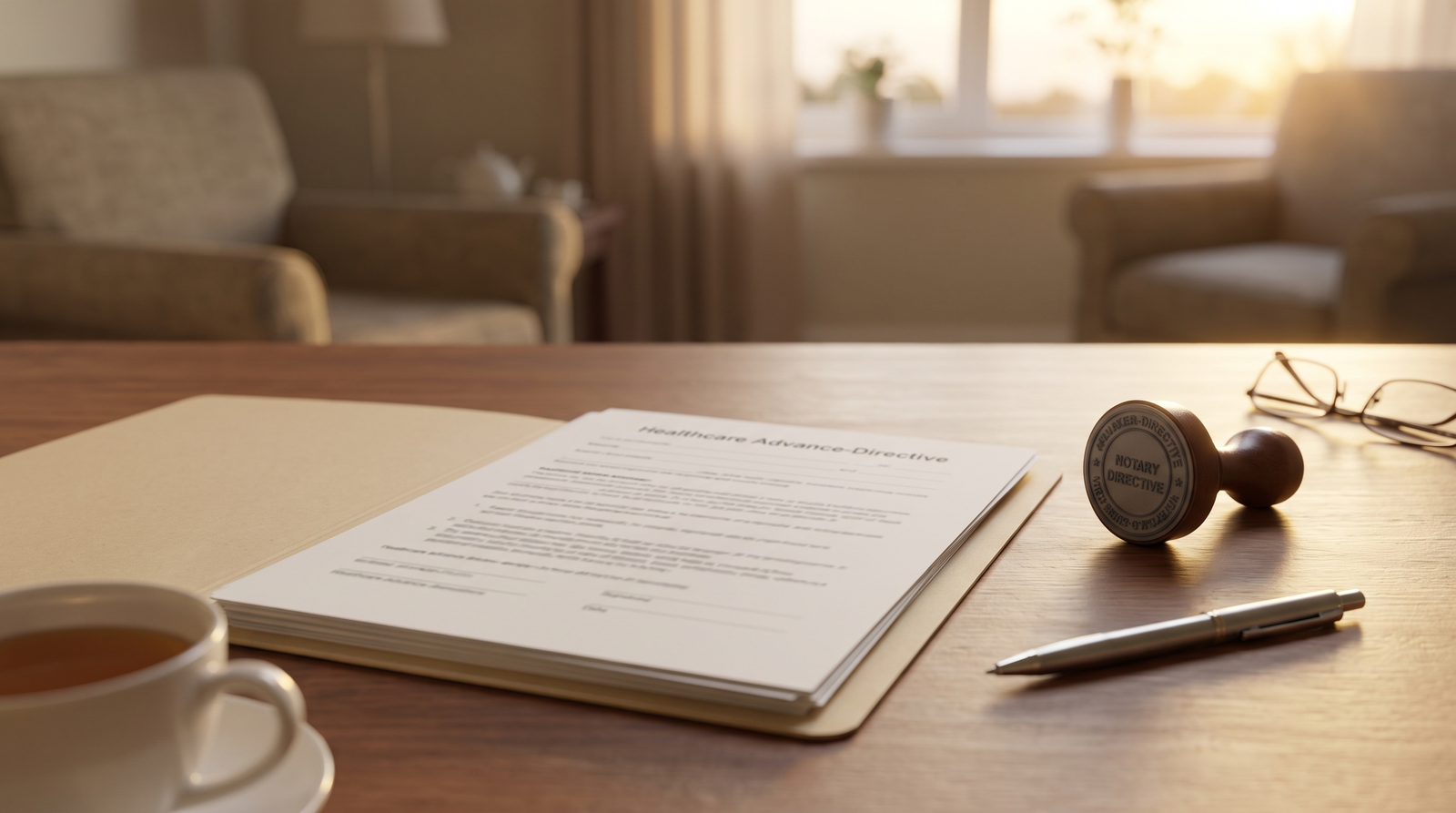
What Is an Advance Directive and Do You Need a Notary?
An advance directive is a legal document that tells healthcare providers your wishes if you can't communicate them yourself. It may include a living will, healthcare power of attorney, or HIPAA authorization. In North Carolina, advance directives don't *require* notarization by state law—but many healthcare facilities, hospitals, and insurance companies request or require it anyway.
When your loved one is already in a facility—hospital, nursing home, or hospice—the rules can feel unclear. Let's break down what NC actually requires and what facilities typically expect.
NC State Law vs. Facility Requirements
North Carolina does not mandate that an advance directive be notarized to be valid. However:
- Facilities often require it: Most hospitals, nursing homes, and hospice programs ask for notarization as part of their admission or care documents. They do this to reduce liability and ensure clear intent.
- Your insurance may require it: Some insurers or Medicare Advantage plans won't honor an advance directive unless it's notarized.
- Out-of-state recognition: If your loved one may receive care in another state, notarization strengthens the document's validity nationwide.
Special Considerations for Facility Signings
When an advance directive is signed in a hospital, nursing home, or hospice setting, notarization involves a few extra steps:
Capacity and Mental State
A notary must confirm that the signer understands what they're signing and is making the decision freely—without coercion. In a medical facility, the notary may ask brief questions to verify this, especially if the patient is on pain medication or sedated. If there are concerns about capacity, the notary may decline to notarize or recommend a healthcare proxy evaluation.
Witness Requirements
Some facilities require two disinterested witnesses *in addition to* notarization. A disinterested witness is someone who doesn't benefit from the document and isn't related to or employed by the facility. Check with your facility to confirm their specific witness policy.
Identity Verification
The notary will ask for a valid ID (driver's license, passport, etc.). If the patient is bedridden and doesn't have ID readily available, discuss this with the facility or notary in advance.
What You Should Have Ready
To make a facility notarization smooth:
- A signed or unsigned copy of the advance directive (the notary will witness the signing)
- Valid government-issued ID for the signer
- Any facility-specific forms or checklists they require
- Two witnesses, if the facility or NC law requires them (confirm with your facility)
- The notary contact information and appointment confirmation
When to Get It Notarized
The best time is before a planned hospital stay or nursing home admission. However, if you realize you need it while already admitted, Integrity Closings CLT provides hospital bedside notary services, nursing home notarization, and emergency 24/7 hospice visits throughout the Charlotte metro and Monroe/Union County area.
Remember: A Notary Doesn't Give Legal Advice
It's important to note that a notary public—even a mobile notary—verifies identity and witnesses a signature. A notary does not draft documents, explain legal terms, or advise whether an advance directive is right for your situation. If you have questions about what to include or whether your document meets NC requirements, consult an attorney or your healthcare provider.
Get Your Advance Directive Notarized—Anytime, Anywhere
Whether your loved one is at a Charlotte-area hospital, nursing home, or hospice, or you're preparing before admission, after-hours and bedside notary services are available. Frank Coxx, Certified Notary Signing Agent, serves Mint Hill, Charlotte, Monroe, and Union County with appointments Monday–Saturday 9 AM–7 PM, after-hours 7–11 PM, and 24/7 for hospital and hospice visits.
Call 980-505-8050 to book your facility notarization today. Travel and after-hours fees are quoted upfront.
About the author
Frank Coxx is a commissioned North Carolina Notary Public and NNA-certified Notary Signing Agent with 9+ years in loan signings and 20+ years in real estate. He provides mobile notary services throughout Charlotte and the surrounding metro. Call 980-372-4103.