Does an Advance Directive Signed in a Facility Need Anything Special in NC?
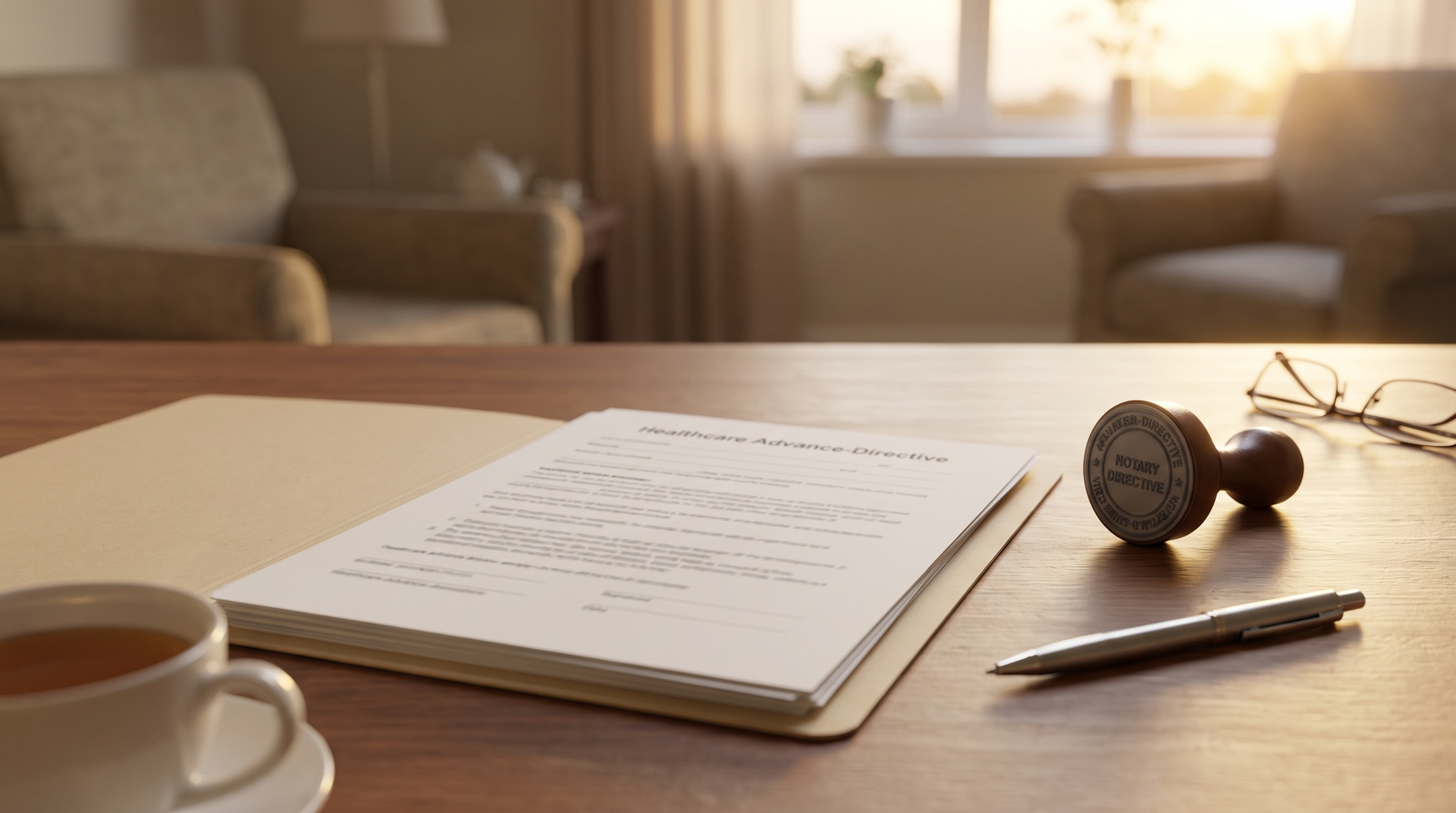
Advance Directives in Facilities: What Makes Them Different
When someone signs an advance directive in a hospital, nursing home, or other care facility, the notarization process follows the same basic rules as any other notarized document — but the setting creates special considerations. North Carolina law doesn't require advance directives to be notarized, but many facilities, healthcare providers, and estate plans rely on notarization to make them legally stronger and easier to honor.
The key difference is that facility signings often involve people who may be ill, medicated, or in declining health. A notary's job is to verify the signer's identity and witness their signature — but the notary must also be confident that the person is of sound mind and signing willingly.
North Carolina's Requirements for Advance Directive Signings
North Carolina doesn't impose special notarization rules for advance directives themselves, but facilities and healthcare systems often do. Here's what typically matters:
- Witness requirement: Many facilities require two disinterested witnesses (people who won't benefit from the directive). A notary is separate from these witnesses.
- Identity verification: The notary must see valid ID — even in a facility. Facility staff or a hospital band alone is not enough.
- Signer capacity: The notary must be reasonably satisfied the person understands what they're signing and is signing of their own free will. This is especially important for advance directives.
- No pressure or coercion: The notary may need to speak privately with the signer to confirm they're acting freely.
- Legible signature: Even if the signer is weak or has shaky handwriting, the signature must be genuine and intentional.
Special Considerations for Bedside Signings
If an advance directive is being signed at a hospital bed, nursing home room, or hospice location, extra care applies:
- Medications and sedation: A notary cannot notarize for someone who is sedated, under anesthesia, or too medicated to communicate clearly. If the signer is alert and oriented enough to sign intentionally, it may be acceptable — but this is a judgment call.
- Timing: Ideally, the advance directive should be signed when the person is at their best — before major surgery, before medication levels peak, or during a clear moment. Hospital bedside notarizations in Charlotte can be arranged at times when the signer is most alert.
- Facility cooperation: Some facilities have their own notary or require one on staff. Others welcome mobile notaries. Always check with the facility first.
- 24/7 availability: If an advance directive needs to be signed urgently — even at night or during a crisis — emergency notary services are available around the clock for hospital and hospice situations.
What to Bring and Have Ready
To make a facility notarization smooth:
- Have the advance directive document(s) already printed and ready to sign.
- Bring a valid photo ID (driver's license, passport, etc.).
- Arrange for witnesses if the facility requires them — ideally people unrelated to the signer and not mentioned in the directive.
- If the signer is bedridden or immobile, let the notary know in advance. Preparing for a bedside notary visit helps everything move faster.
- Make sure the facility is notified and has given permission for the notary to enter (especially important in hospitals and secure care facilities).
Who Verifies the Signer's Intent?
This is crucial: a notary is not a lawyer and cannot advise you on whether an advance directive is appropriate or correctly drafted. The notary's role is only to verify identity and witness the signature. If you're uncertain about what the directive says or whether it reflects your wishes, speak with an attorney before signing.
However, a notary will refuse to notarize if there are obvious signs the signer doesn't understand what they're signing, or if the signing appears coerced or pressured. This is a protection for everyone involved.
Common Facility Issues and How a Mobile Notary Helps
Many Charlotte-area facilities don't have a notary on staff during all hours. This is why nursing home notary services and after-hours mobile notary appointments are so valuable. If your loved one needs an advance directive notarized at 10 PM on a Saturday, or if the facility can't accommodate the timing, a mobile notary can come to the bedside.
For hospice and end-of-life situations, notarization can happen 24/7. The goal is to make it easy and stress-free for the signer and family, not to delay or complicate the process.
Bottom Line
Advance directives signed in NC facilities don't have special notarization requirements beyond the usual — but the setting and the signer's condition require extra care and judgment. The best approach is to plan ahead, have documents ready, coordinate with the facility, and use a notary experienced in bedside signings who understands the sensitivity of these moments.
If you need an advance directive notarized at a Charlotte-area hospital, nursing home, or care facility, contact Frank Coxx at 980-505-8050. Appointments are available Monday–Saturday 9 AM–7 PM, after-hours until 11 PM, and 24/7 for hospital and hospice visits.
About the author
Frank Coxx is a commissioned North Carolina Notary Public and NNA-certified Notary Signing Agent with 9+ years in loan signings and 20+ years in real estate. He provides mobile notary services throughout Charlotte and the surrounding metro. Call 980-372-4103.