Does an Advance Directive Signed in a Facility Need Anything Special in NC?
What Is an Advance Directive?
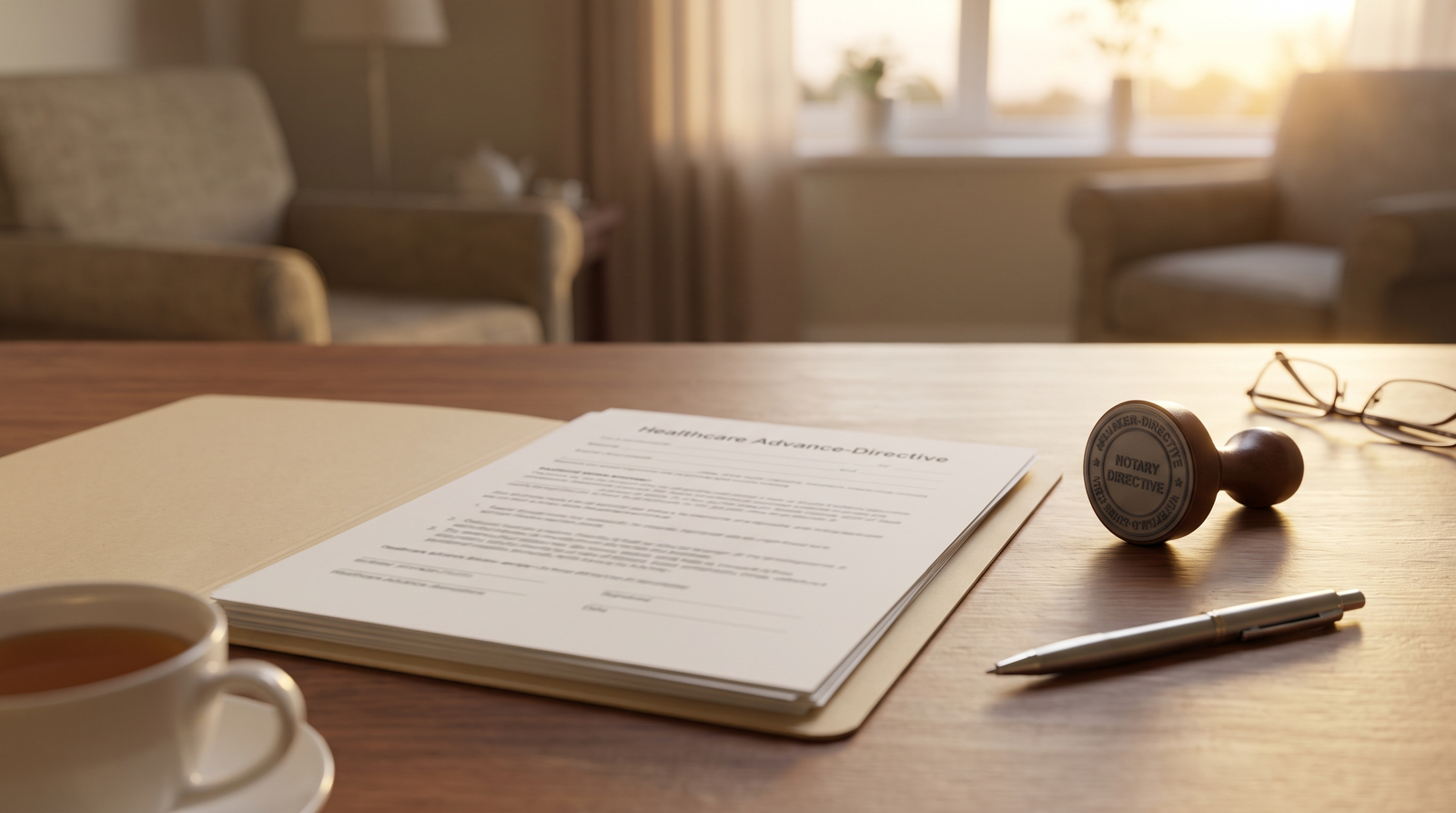
An advance directive is a legal document that lets you communicate your healthcare wishes if you can't speak for yourself. It typically includes:
- A living will (your end-of-life care preferences)
- A healthcare power of attorney (naming someone to make decisions for you)
- Instructions about organ donation or life support
When you're in a hospital, nursing home, hospice, or care facility, staff will often ask if you have an advance directive on file. If you don't, or need to sign one while admitted, North Carolina has specific rules to make sure it's legally valid.
Does North Carolina Require a Notary for an Advance Directive?
The short answer: notarization is not required by NC law for advance directives to be valid. However, having one notarized makes it much stronger and easier for healthcare providers to accept and follow.
Many hospitals and facilities prefer or even request a notary's signature because it proves:
- You signed it willingly, not under pressure
- You were of sound mind when you signed
- The person witnessing your signature is neutral and trained
NC Witness Requirements for Facility Advance Directives
Under North Carolina law, an advance directive signed in a facility must have at least two witnesses present when you sign. These witnesses have important restrictions:
- Cannot be your healthcare power of attorney or alternate agent
- Cannot be your spouse, parent, child, or grandchild
- Cannot be an employee of the facility where you're being treated (with limited exceptions)
- Cannot be anyone who would inherit from your estate or benefit financially
- Should be people who can testify you signed of your own free will
This is where a notary signing agent becomes valuable. A certified notary can serve as one witness and verify that you meet all requirements.
Special Considerations for Facility Signings
Signing an advance directive in a hospital, nursing home, or hospice comes with unique challenges:
Your Mental Capacity
The facility staff or notary may need to confirm that you're mentally alert enough to understand what you're signing. If you're heavily medicated, sedated, or have cognitive impairment, the signing may need to be delayed or reconsidered. A notary will look for clear signs you understand the document's purpose.
Timing
If you're being admitted for surgery or a serious procedure, signing an advance directive beforehand is wise. Frank Coxx provides bedside notary services in Charlotte-area hospitals, even on short notice.
Your Healthcare Agent's Availability
Your healthcare power of attorney (the person you name to make decisions) does not sign the document with you. Only you and your two witnesses sign. Make sure your chosen agent agrees to the role and understands your wishes.
Copies for the Facility
Once signed and notarized, give the original (or a certified copy) to the facility's medical records department. Keep a copy for yourself and give one to your healthcare agent.
What Notarization Adds to a Facility Advance Directive
Having a notary present when you sign an advance directive in a facility provides:
- Official verification of your identity through government-issued ID
- Third-party assurance that you signed willingly and weren't coerced
- Reduced liability concerns for the facility
- Stronger enforceability if questions arise later about your intent
- One verified witness who meets all NC legal requirements
While NC doesn't mandate notarization, many healthcare providers treat notarized advance directives as more reliable and act on them more readily.
24/7 Bedside Notary Service in Charlotte's Hospitals and Care Facilities
If you're in a Charlotte-area hospital, nursing home, or hospice and need to sign an advance directive, Frank Coxx offers bedside notary service 24/7. Whether it's daytime, after-hours, or the middle of the night, he can come to you and ensure your document meets NC legal standards.
Frank is a Certified Notary Signing Agent with years of experience working in medical facilities. He understands the sensitivity of advance directive signings and the importance of getting it right.
Note: A notary verifies identity and witnesses signatures — a notary is not a lawyer and does not give legal advice. If you have questions about what your advance directive should say, consult an estate attorney.
How to Prepare for Your Facility Advance Directive Signing
- Have your government-issued photo ID ready (driver's license, passport, etc.)
- Know who you want as your healthcare power of attorney
- Arrange for two neutral, eligible witnesses to be present (or have a notary help you meet this requirement)
- Review the advance directive form beforehand if possible—don't sign blindly
- Ask facility staff or a notary if you have questions about the process
Ready to Get Your Advance Directive Notarized?
If you're in a Charlotte-area hospital, nursing home, or care facility and need to sign an advance directive, contact Frank Coxx to arrange a bedside notary appointment. Call 980-505-8050 anytime Monday–Saturday 9 AM–7 PM, or after-hours Monday–Saturday 7–11 PM. Hospital, hospice, and nursing home visits are available 24/7.
About the author
Frank Coxx is a commissioned North Carolina Notary Public and NNA-certified Notary Signing Agent with 9+ years in loan signings and 20+ years in real estate. He provides mobile notary services throughout Charlotte and the surrounding metro. Call 980-372-4103.