Can a Hospital Patient Sign Legal Documents While Sedated?
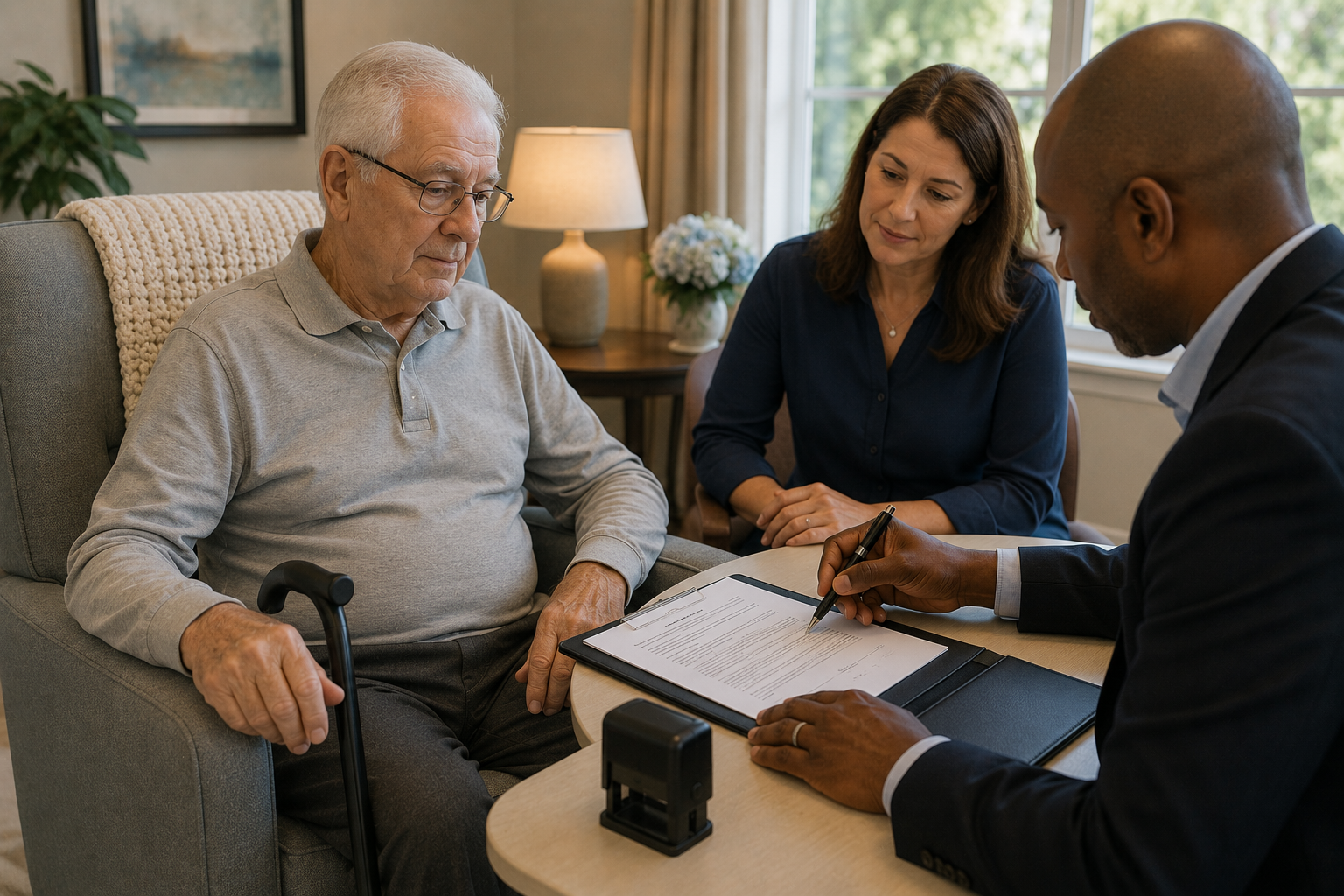
The Core Issue: Mental Capacity and Legal Validity
When a hospital patient is sedated or heavily medicated, a fundamental legal question arises: Can they legally sign documents? The answer depends on whether the signer has mental capacity—the legal and mental ability to understand what they're signing and the consequences of signing it.
A notary's job is to verify identity and witness signatures. A notary is not a lawyer and does not give legal advice or draft documents. However, notaries are trained to recognize signs that a signer may lack capacity, and they have a professional responsibility not to notarize documents when there's reasonable doubt.
What Happens When Sedation or Pain Medication Is Involved?
Sedatives, opioids, and other pain medications can significantly affect a person's:
- Ability to understand complex legal language
- Short- and long-term memory
- Decision-making judgment
- Clear communication and awareness
If a patient is drowsy, confused, slurring speech, or unable to articulate why they're signing, most notaries will decline to proceed. Many medical professionals will also discourage or prevent notarization during heavy sedation to protect the patient and ensure the document's enforceability.
What Does North Carolina Law Require?
North Carolina law requires that a signer must be of sound mind when executing legal documents. Courts can later challenge the validity of a document signed under the influence of medication if there's evidence the signer didn't understand what they were signing.
For critical documents like powers of attorney, wills, or healthcare directives, this requirement is especially strict. A challenge could render the entire document void, creating legal and financial chaos for the family.
When Should Hospital Documents Be Signed?
The safest approach is to sign important legal documents before surgery, sedation, or heavy medication begins—when the patient is alert and fully aware. If signing must happen during a hospital stay:
- Choose a time when the patient is most alert (often early morning)
- Avoid scheduling near pain medication or sedative administration
- Ask the hospital care team when the patient will be most lucid
- Ensure the patient can clearly explain what they're signing and why
- Have a notary or witnesses present who can observe the patient's state of mind
What About Healthcare Directives and POAs?
Healthcare powers of attorney and advance directives are often signed in the hospital, sometimes under time pressure. If the patient is sedated or significantly impaired, the document may be legally challenged later. Work with the hospital's social worker, patient advocate, or legal team to find a window when the patient is alert enough to sign with full understanding.
For more on preparing documents before a hospital stay, see our guide to what to have ready for bedside notary service.
How a Mobile Notary Assesses Capacity
When a notary arrives for bedside service, they will:
- Observe the signer's alertness and ability to communicate
- Ask questions to confirm understanding of the document
- Look for signs of confusion or impairment
- Verify the signer is signing of their own free will, not under coercion
- Document their observations in notary records
If a notary has reasonable doubt about capacity, they should decline the notarization. This protects both the signer and the integrity of the document.
What If the Timing Can't Be Delayed?
In true emergencies, work closely with the hospital's legal or ethics committee. Some hospitals have protocols for signing critical healthcare documents when a patient is sedated but has previously expressed clear wishes. However, this is not ideal and carries legal risk.
The best practice remains: Plan ahead and sign before sedation or hospitalization when possible.
Get Professional Guidance for Your Situation
If you're facing a situation where a loved one needs to sign documents at a Charlotte-area hospital or nursing home, consult both your family's attorney and your notary. We serve Charlotte, Mint Hill, Monroe, and Union County with bedside notary service that respects the legal requirements and the patient's wellbeing.
For more on hospital and nursing home notarization, visit our pages on hospital notary service in Charlotte and bedside notary documents. If you need to discuss your specific situation, contact Frank Coxx at 980-505-8050.
About the author
Frank Coxx is a commissioned North Carolina Notary Public and NNA-certified Notary Signing Agent with 9+ years in loan signings and 20+ years in real estate. He provides mobile notary services throughout Charlotte and the surrounding metro. Call or text 980-505-8050.